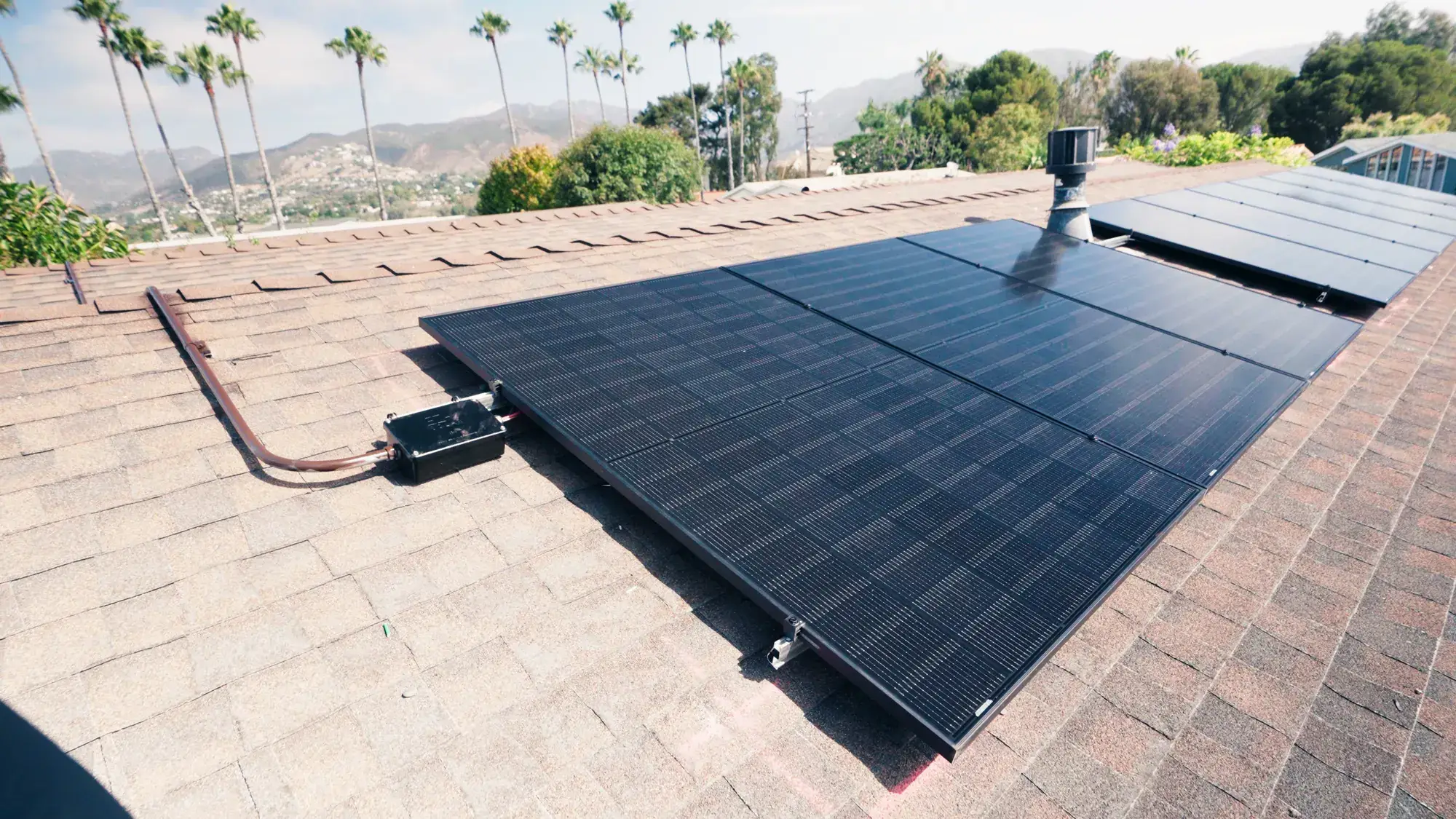
Solar Panel Installation Designed for Your Los Angeles Home
We design your solar system around your roof, energy use, and future plans. You get clear equipment options and an installation built for dependable output, long-term durability, and a clean fit with your home.
-
Site-Specific Design
-
Clear Equipment Choices
-
Roof-Aware Installation
-
Managed From Start to Finish
Solar Panels
Solar Panels Chosen for Your Roof and Energy Goals
No single panel is right for every home. We compare output, efficiency, construction, warranty terms, and available roof space before recommending the equipment that fits your project.
-

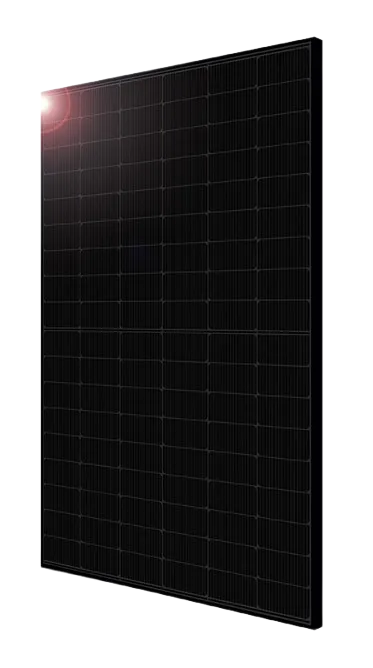
Silfab SIL-440 QD
A compact residential panel that pairs high output with an all-black finish. It is a practical option when you want strong roof-space efficiency without compromising the look of your home.
-
440 W rated output
-
22.6% module efficiency
-
N-type cells with a triple-black finish
-
-

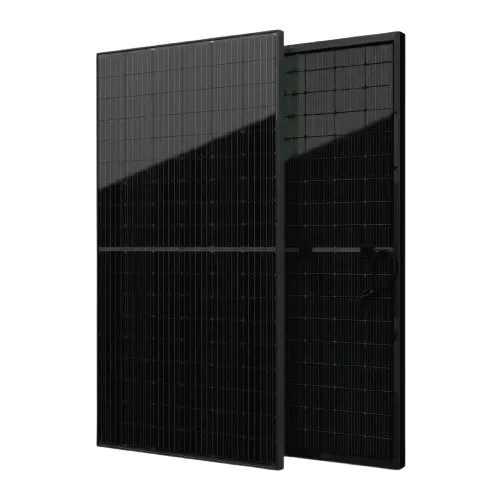
SEG Solar SEG-440-BTD-BG
This 440-watt N-type panel uses a full-black, glass-glass design. Its bifacial construction can also collect light from the rear when the roof and mounting conditions allow it.
-
440 W rated output
-
22.53% module efficiency
-
Bifacial glass-glass construction
-
-

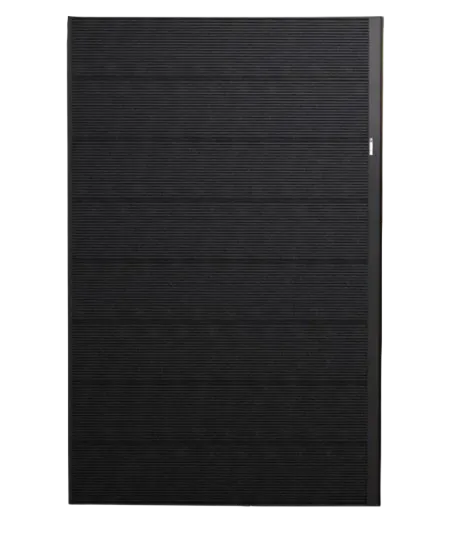
REC Alpha Pure-RX 460
A high-output residential panel built with heterojunction cells. Its compact format is especially useful when usable roof space is limited and every panel needs to contribute more capacity.
-
460 W rated output
-
22.1% module efficiency
-
Heterojunction cells with gapless technology
-
-

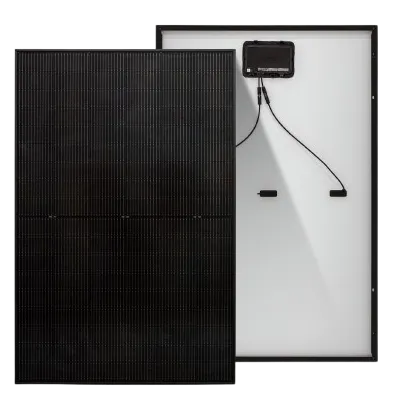
Qcells Q.TRON 440
An N-type TOPCon panel designed for high residential output in a clean black format. It gives homeowners another strong option for balancing performance, roof space, and appearance.
-
Up to 440 W rated output
-
Up to 22.5% module efficiency
-
N-type TOPCon cell technology
-
Residential Solar Panel Comparison
Swipe to compare →
| Panel Detail | Silfab SIL-440 QD | SEG Solar SEG-440-BTD-BG | REC Alpha Pure-RX 460 | Qcells Q.TRON 440 |
|---|---|---|---|---|
| Rated Output | 440 W | 440 W | 460 W | Up to 440 W |
| Module Efficiency | 22.6% | 22.53% | 22.1% | Up to 22.5% |
| Cell Technology | N-type cells | N-type cells | Heterojunction cells | N-type TOPCon cells |
| Construction & Finish | Triple-black finish | Full-black, bifacial glass-glass | Gapless cell technology | Clean black format |
| Best Fit | Strong output with an all-black appearance | Roofs where rear-side light can add value | Limited roof space that needs more output per panel | A balance of output, roof fit, and appearance |
How We Choose the Right Solar Panel for Your Home
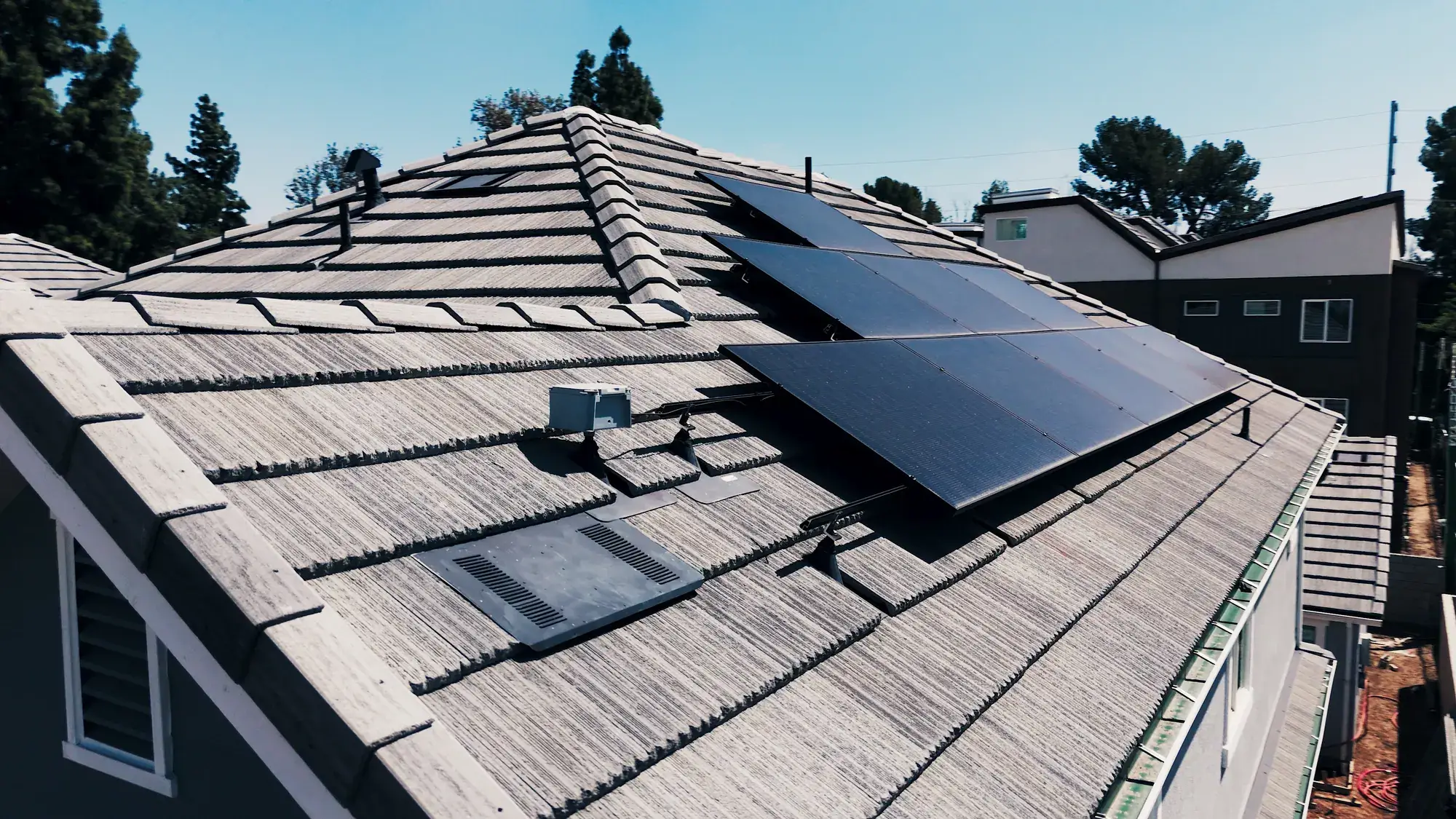
The best panel isn't simply the one with the highest wattage. We compare usable roof space, shade, heat performance, long-term output, warranty coverage, appearance, and price. Then we recommend the panel and system design that make sense for your home.
- Roof Fit Panel size, layout, shade, and available space
- Output Efficiency, heat response, shade, and expected production
- Warranty Product coverage, performance terms, and service details
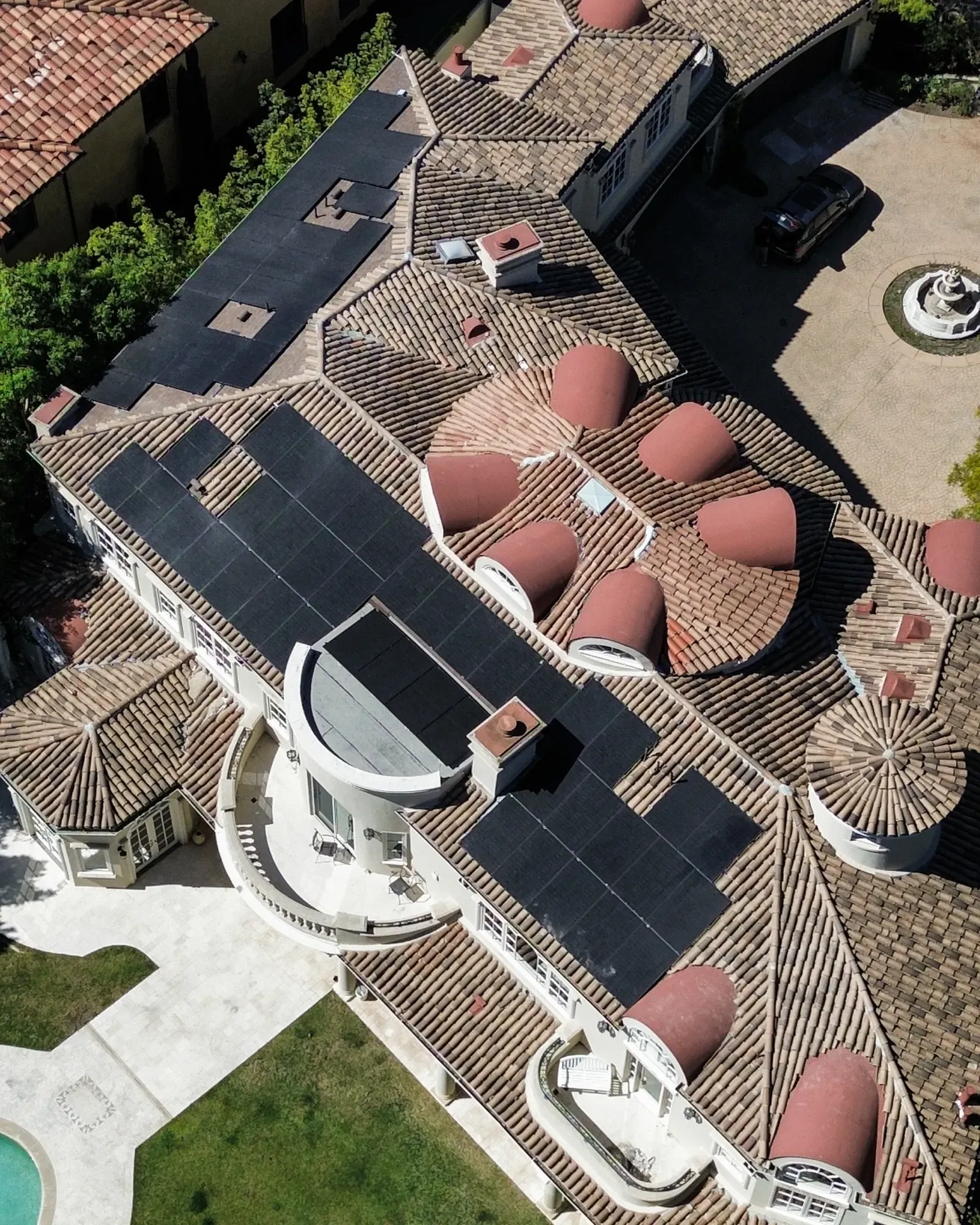
Solar Installation for Different Roof Types
- Composition Shingle
- Spanish Tile
- Flat Roof
- Concrete Tile
- Metal Roof
- Wood Shake
From Solar Design to Permission to Operate
-
Home & Energy Review
We review your electricity use, roof conditions, shade, electrical equipment, and future energy plans.
-
Custom Solar Design
We design the panel layout and equipment around usable roof space, expected production, and appearance.
-
Permits & Utility Paperwork
We prepare the plans and coordinate local permits and utility interconnection paperwork.
-
Professional Installation
Our licensed crew installs the panels, inverter, mounting system, and required electrical equipment.
-
Final Inspection
We coordinate the required inspection and address any final items before utility approval.
-
Activation & Handoff
After permission to operate, we activate the system and show you how to monitor its performance.
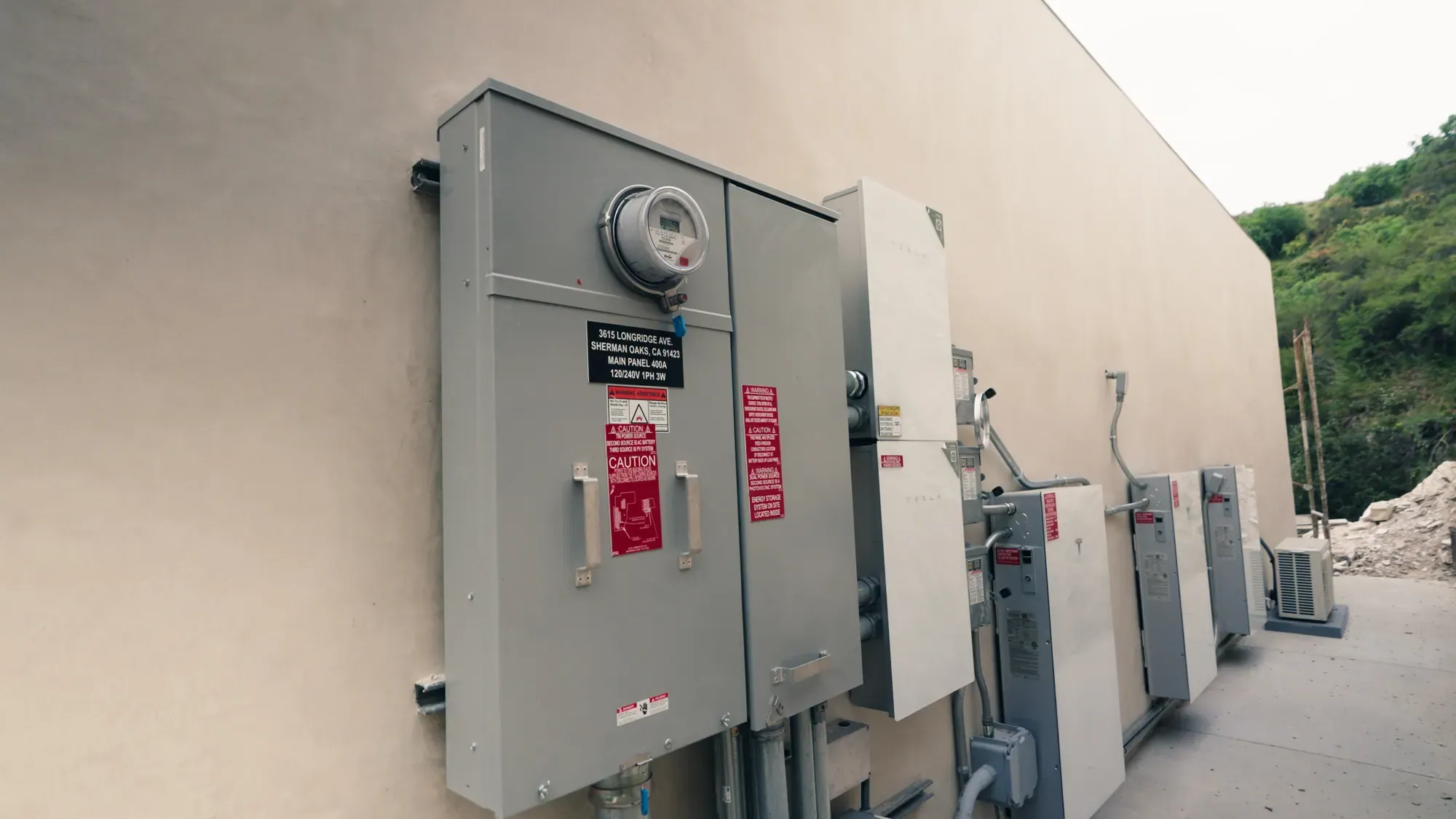
More Than Solar Panels
Panels are one part of a home energy system. We can plan the inverter, monitoring, backup power, battery storage, and EV charging around how your home uses electricity now and what you may add later.
-
Inverter & Monitoring
The inverter converts solar energy into electricity your home can use. Monitoring helps you follow system production over time.
-
Generator Backup
A generator can support larger loads or longer outages when it is included in the overall system plan.
-
Battery Storage
Store solar energy for later and keep selected circuits running during an outage.
-
EV Charging
Plan home charging around your vehicle, electrical capacity, parking layout, and solar system.
Real Results From Real Homes
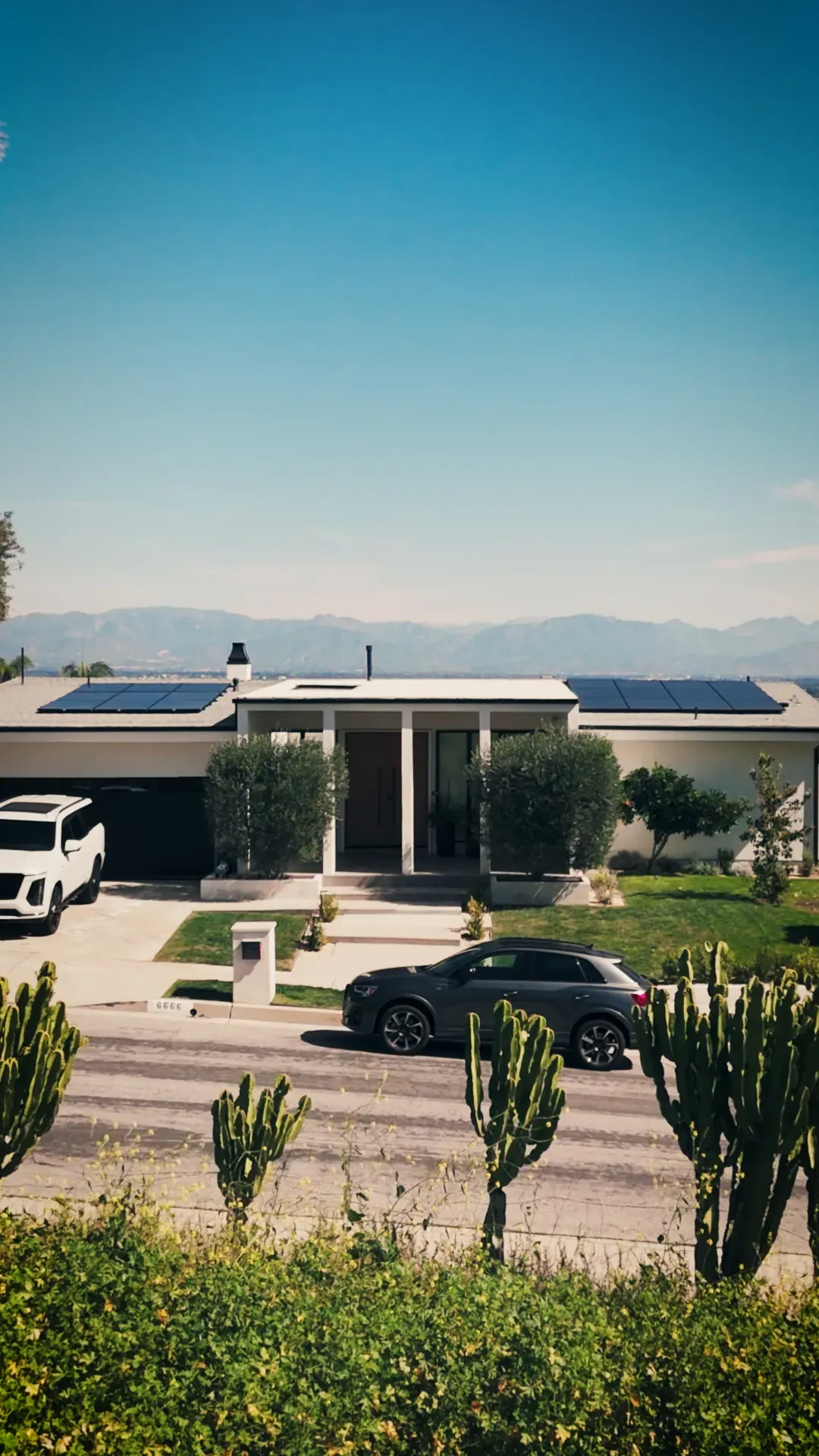
A West Hills home that makes more power than it uses.
Rooftop solar on a hillside residence in West Hills, paired with Tesla battery backup.
 West Hills Project
West Hills Solar & Powerwall Covering 115% of Usage
26 rooftop panels produce more than 18,000 kWh a year, 115% of what the home uses annually, with Tesla battery backup on hand for outages.
- 26 Solar panels
- 18,000+ kWh Produced per year
- 115% Of annual usage
Solar Costs
Understand the Cost Before You Choose Solar
-
Start With Your Energy Use
Your utility bills show how much electricity you use. We use that as the starting point for system size and cost.
Learn more -
See What Drives the Price
Roof layout, panel choice, system size, and electrical work all shape the final price. Your proposal should make those costs clear.
Learn more -
Compare Ways to Pay
Review cash, loan, lease, and PPA terms side by side, including ownership, monthly payments, and total cost over time.
Learn more
More homeowners. More confidence.
Design a Solar System Worth Your Home
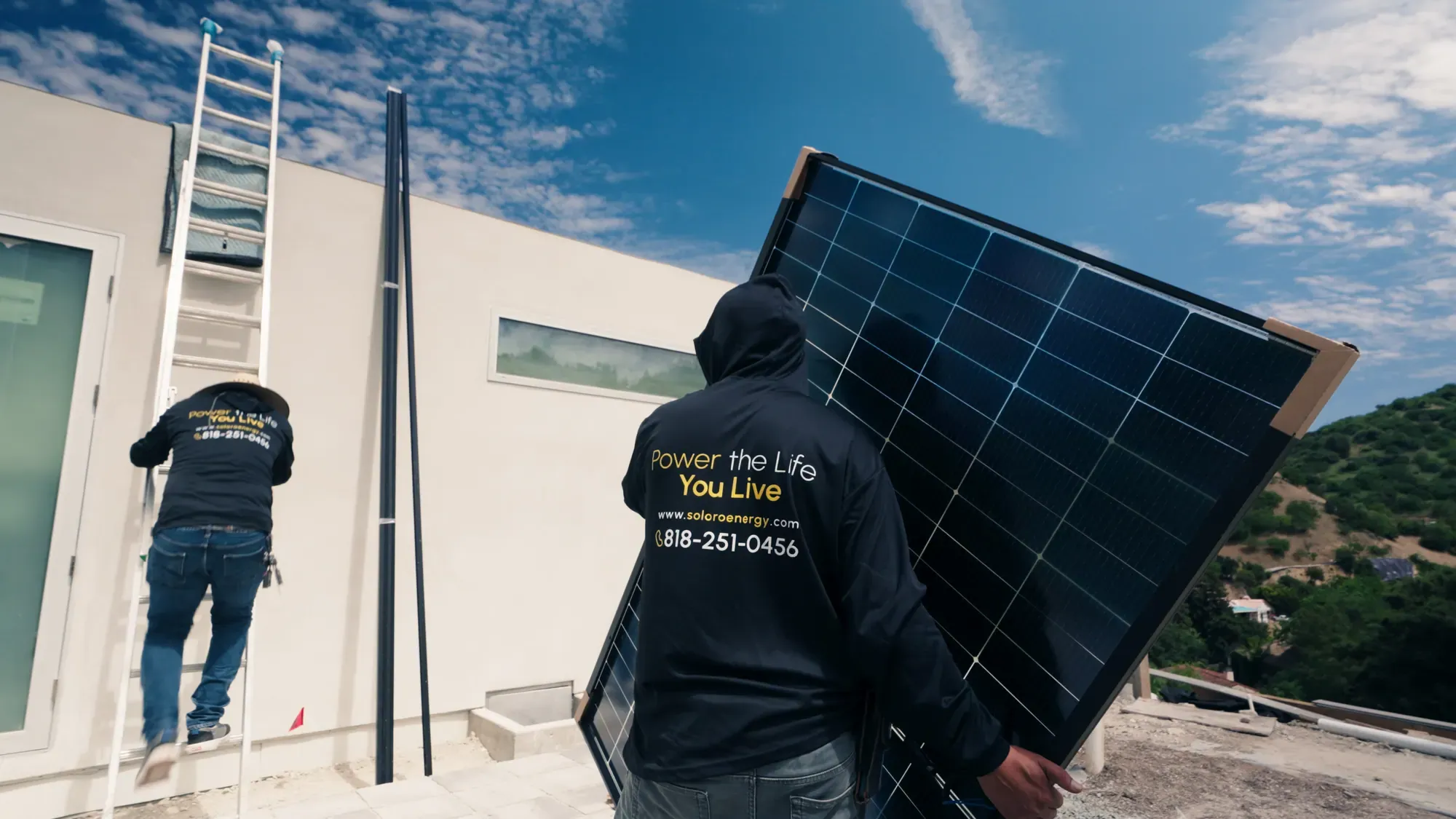
Solar Panel FAQ
Straight Answers About Residential Solar Panels
Panel specs can be hard to compare. These answers explain what affects output, roof fit, warranties, and long-term performance so you can make a more informed choice.
Is there still a federal tax credit for solar panels?
No, not for a system you own. The federal residential clean energy credit ended for systems installed after December 31, 2025. Leases and PPAs work differently, and California still excludes solar completed by January 1, 2027 from property tax reassessment.
What LA homeowners can still claim in 2026 →Does NEM 3.0 apply to my home in Los Angeles?
Only if SCE is your utility. SCE homes go on the Solar Billing Plan (NEM 3.0), which credits exported solar at hourly rates well below what you pay for grid power. LADWP runs its own net energy metering program, which credits the solar you export against the power you use.
LADWP vs SCE: how solar works with your utility →How do you choose the right solar panels for my home?
We compare usable roof space, shade, heat performance, rated output, warranty coverage, appearance, and price. The best choice is the panel that fits your roof and energy goals, not simply the model with the highest wattage.
What is the difference between panel wattage and efficiency?
Wattage is the panel's rated power under standard test conditions. Efficiency measures how much sunlight the panel converts into electricity for its size. Higher efficiency matters most when usable roof space is limited.
How much electricity will my solar panels actually produce?
Usually less than the label suggests, by an amount that depends on your roof. The wattage on the label is a laboratory rating, and real production changes with roof orientation, shade, temperature, weather, dirt, and the rest of the system. We use your site conditions to estimate expected production before recommending a design.
How long do residential solar panels last?
Solar panels commonly remain productive for 25 to 30 years or longer. They do not suddenly stop working at that point. Their output gradually declines, so it is worth comparing each manufacturer's degradation terms and guaranteed output over time.
What should I look for in a solar panel warranty?
Look at both the product warranty and the performance warranty. Product coverage addresses defects and physical failure. Performance coverage limits how much rated output the panel can lose. Labor, shipping, diagnostics, and removal may be handled separately, so we review those details with you.
Do solar panels work in shade and hot Los Angeles weather?
Yes, but both conditions can reduce output. Shade performance depends on the panel layout and system electronics. Heat affects every panel, although some models lose less output as temperatures rise. We account for both when comparing equipment.
Can solar panels be installed on my roof type?
Many composition shingle, tile, flat, metal, and wood shake roofs can support solar with the right layout and attachment method. We first check the roof material, condition, pitch, shade, and usable area before recommending an installation plan.
What happens if one solar panel fails later?
It gets diagnosed first, to confirm whether the issue is the panel, wiring, or related equipment. We also consider monitoring and replacement compatibility when selecting a system, since the exact panel model may change over the life of the installation.
Contact Us
Have a project in mind or need expert guidance on solar and battery solutions?
Our team is here to help. Reach out today and let Soloro show you how to power the life you live.
Get in Touch
Whether you’re exploring solar for your home or business, our experts are ready to answer your questions and provide a customized plan that fits your needs.
- (818) 208-4474
- info@soloroenergy.com
- 15335 Morrison St. Suite 130, Sherman Oaks, CA 91403