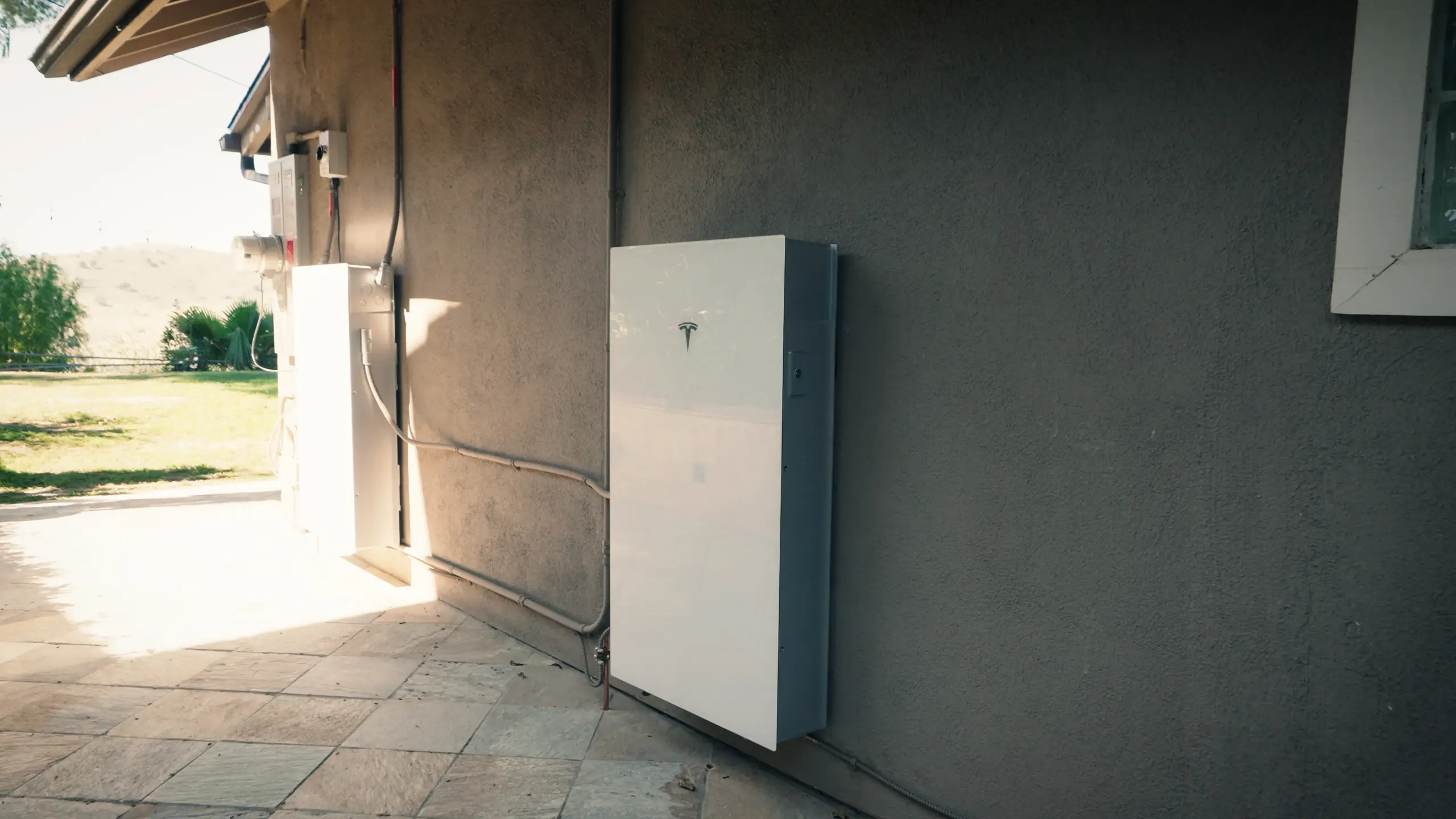
Residential Battery Storage in Los Angeles
Compare Tesla Powerwall 3, FranklinWH, Enphase, and SolarEdge battery systems for your Los Angeles home. We size your system around the loads you want to protect, your existing solar equipment, and how long you need backup power to last.
-
Back Up What Matters
-
Charge from Solar or the Grid
-
Add Storage Later
-
Sized for Your Home
Home Battery Options
Compare Home Battery Storage Systems
-

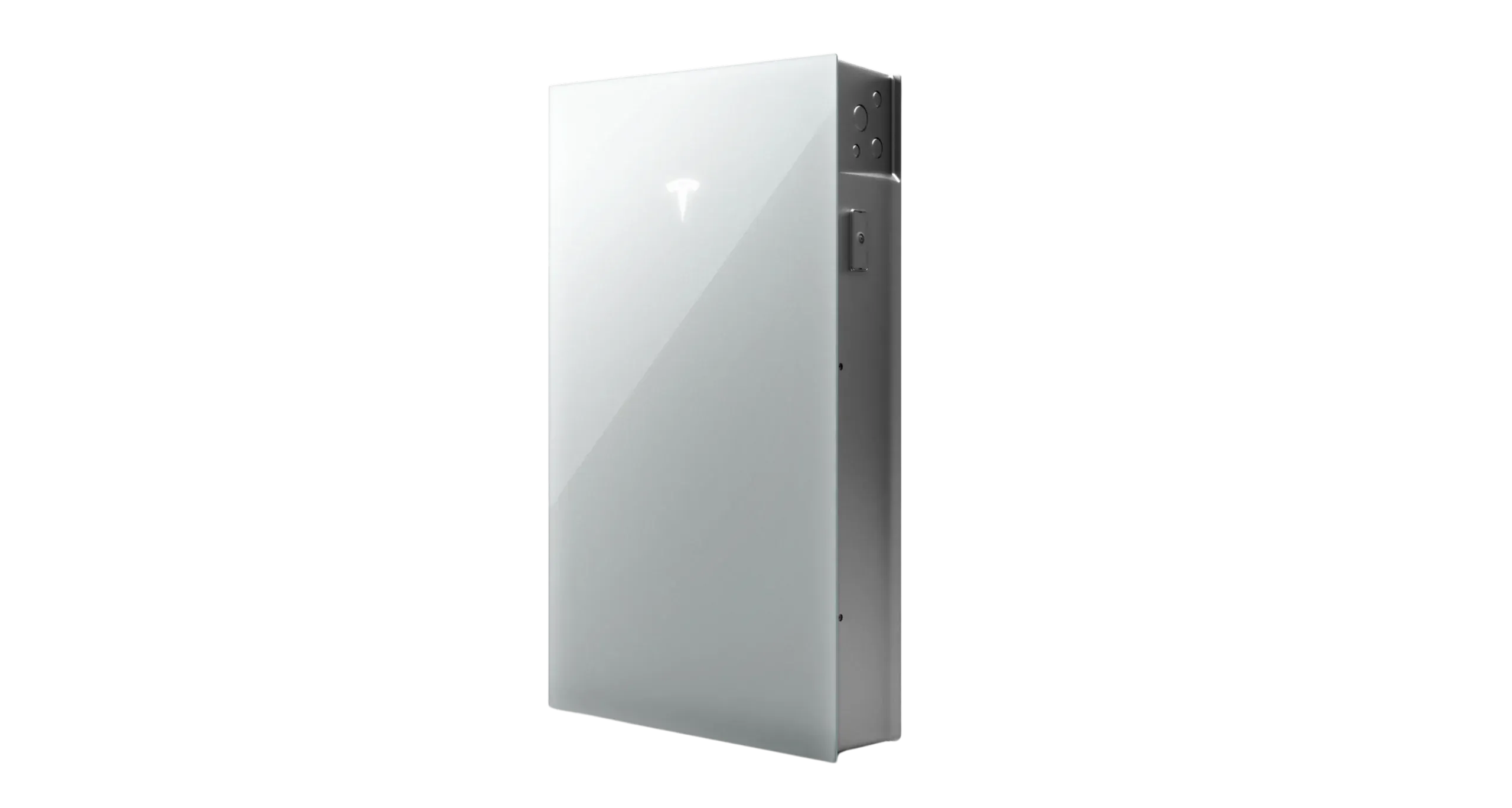
Tesla Powerwall 3
Tesla Powerwall 3 combines battery storage, backup power, and a solar inverter in one system. Its high output and DC expansion options make it especially useful for new solar and storage projects.
-
Run high-demand appliances with up to 11.5 kW of continuous output
-
Keep solar, storage, and monitoring in one Tesla system
-
Add DC expansion packs without another complete inverter
-
Best for new solar and storage projects that need high output
-
-

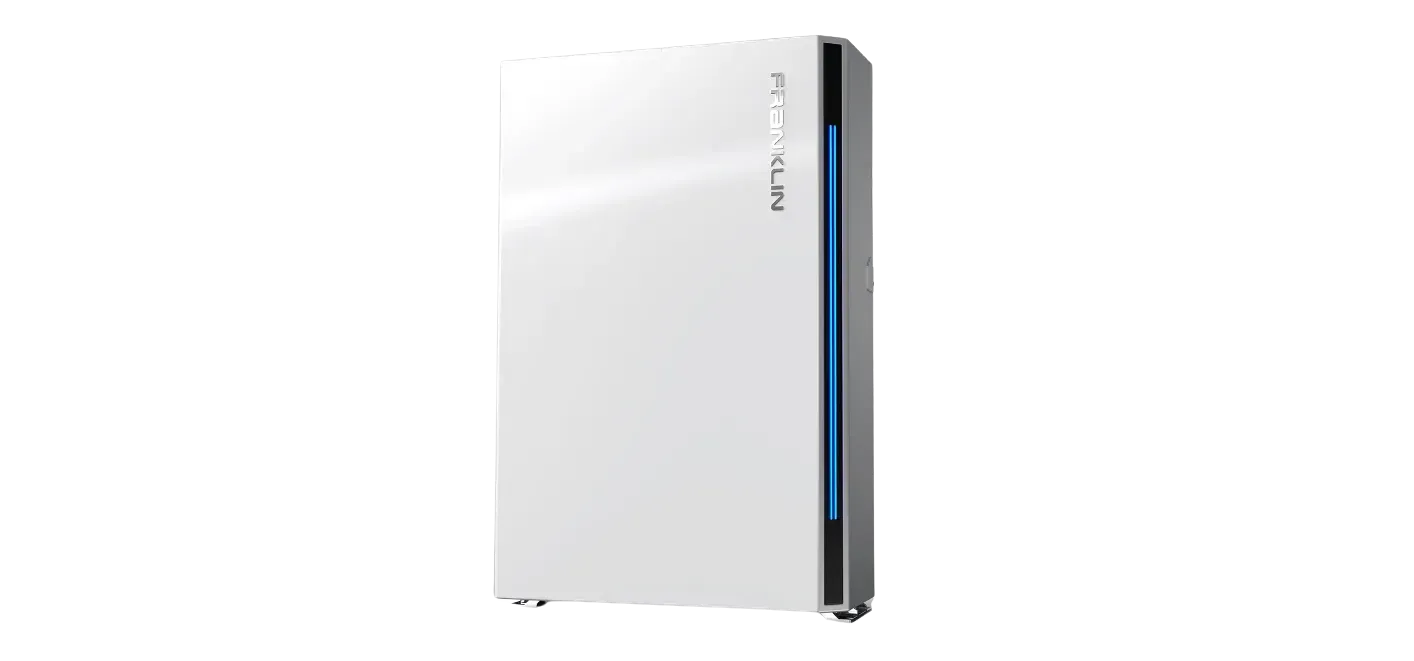
FranklinWH aPower 2
FranklinWH aPower 2 coordinates solar, grid power, a generator, and selected household loads through its aGate controller. It suits homes with large loads or whole-home backup goals.
-
Support larger loads with 10 kW of continuous output
-
Handle brief motor-starting demand with up to 15 kW of output
-
Coordinate solar, grid power, a generator, and selected loads
-
Best for whole-home backup, generator integration, or heavy loads
-
-

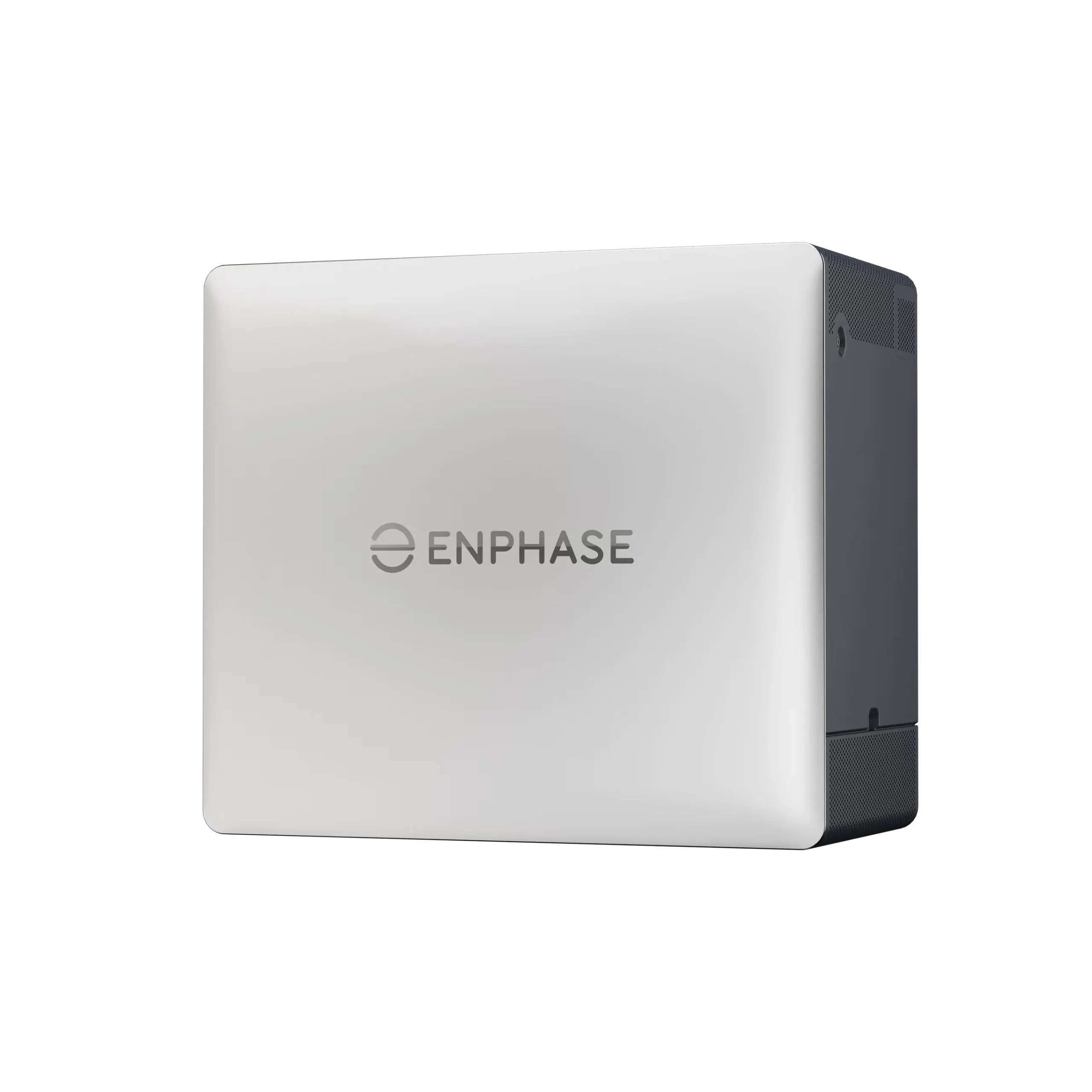
Enphase IQ Battery 10C
Enphase IQ Battery 10C uses embedded microinverters in a modular, distributed design. It is a natural match for homeowners building around Enphase solar equipment.
-
Provide 10 kWh of usable storage capacity
-
Deliver 7.08 kW of continuous output
-
Expand with modular 5 kWh battery units
-
Best for new or existing Enphase solar systems
-
-

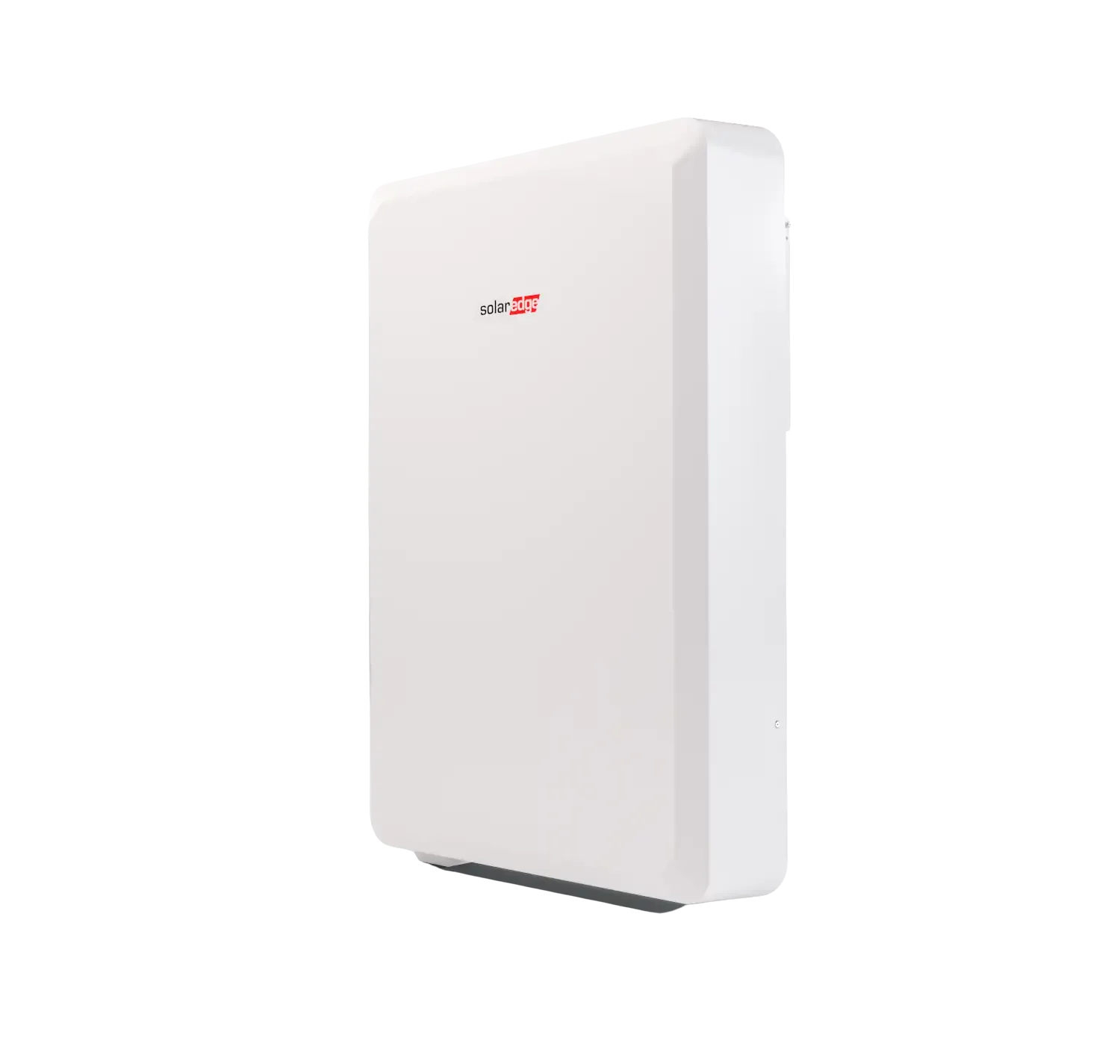
SolarEdge Home Battery
SolarEdge Home Battery is a DC-coupled option for compatible SolarEdge systems. It keeps solar and storage in the same equipment ecosystem and can expand as household needs change.
-
Store 9.7 kWh in each battery
-
Deliver 5 kW of continuous output
-
Add up to three batteries per compatible inverter
-
Best for compatible new or existing SolarEdge systems
-
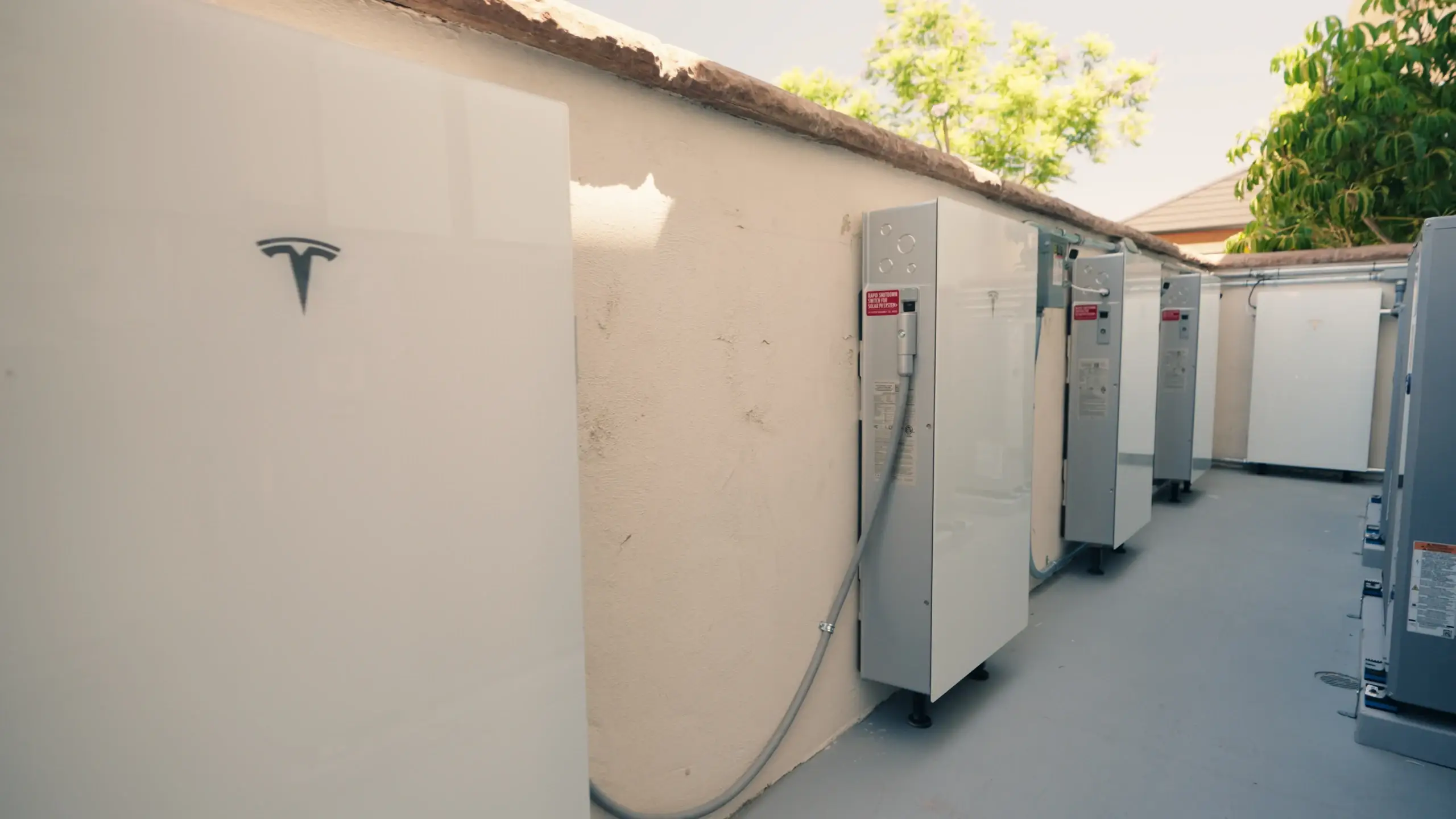
Residential Battery Comparison
Swipe to compare →
| Specification | Tesla Powerwall 3 | FranklinWH aPower 2 | Enphase IQ Battery 10C | SolarEdge Home Battery |
|---|---|---|---|---|
| Energy Capacity | 13.5 kWh | 15 kWh | 10 kWh | 9.7 kWh |
| Continuous Output | Up to 11.5 kW | 10 kW | 7.08 kW | 5 kW |
| System Design | Integrated solar + battery inverter | AC-coupled battery | AC-coupled microinverters | DC-coupled Home Hub |
| Expansion | Expansion units available | Up to 15 per aGate | Modular 5 kWh battery units | Up to 3 per inverter |
| Best Fit | High-power integrated systems | Large-load whole-home backup | Enphase solar systems | SolarEdge solar systems |
How We Choose
Why We Offer Several Battery Options
We look at usable capacity, continuous and surge power, solar compatibility, generator support, room to expand, warranty coverage, and local service. Your recommendation depends on the loads you want to protect and how long you need them to run.
- Backup Whole home or essential loads
- Flexible Works with new or existing solar
- Scalable Add capacity as your needs grow
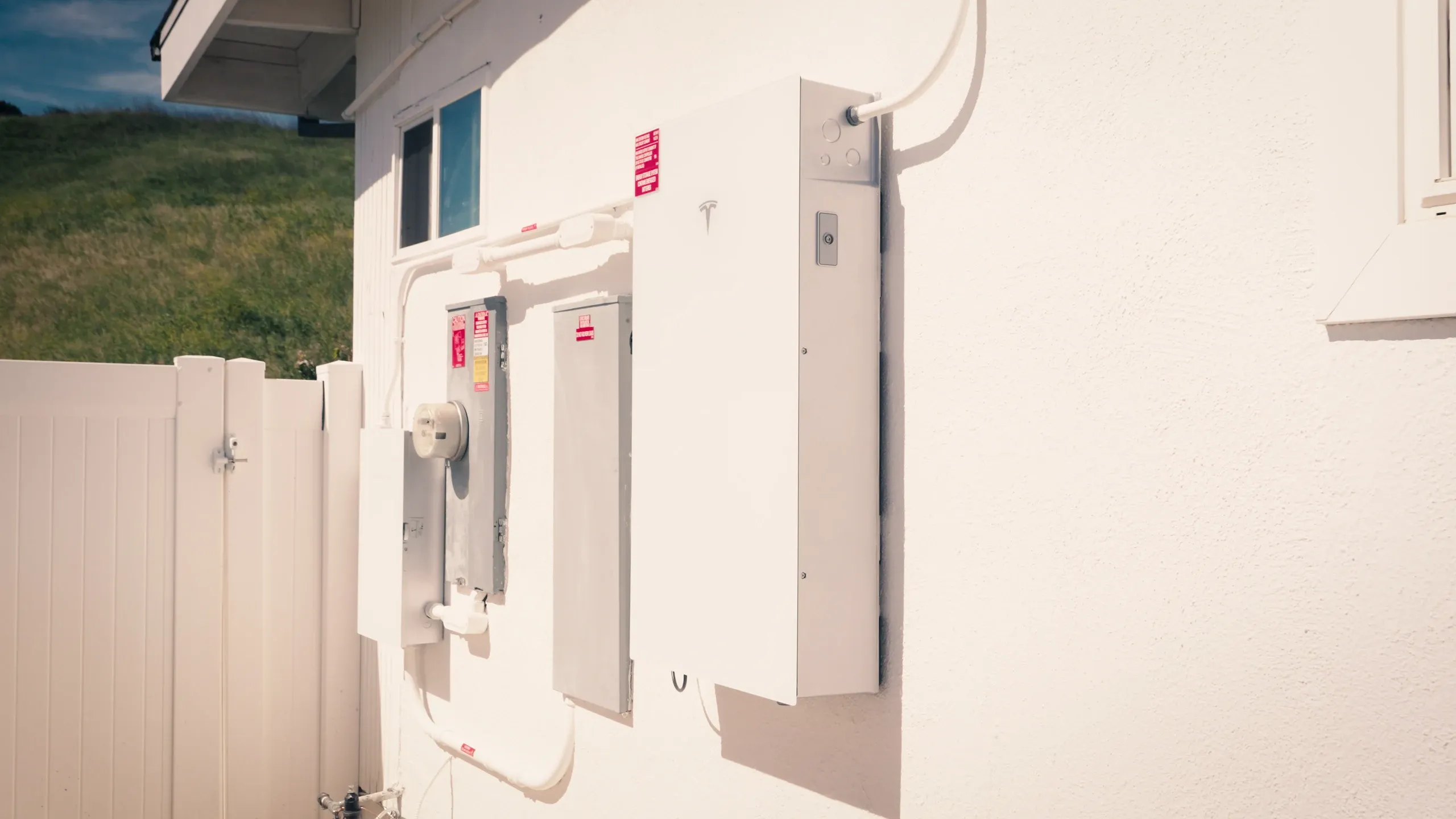
What We Consider for Your Home
- How long backup should last
- Large appliances to power
- Your existing solar system
- Generator compatibility
- Room to expand later
- Warranty and local service
Your Battery Installation in 6 Steps
-
Review Your Home
-
Choose What Stays On
-
Design Your System
-
Handle Permits and Approvals
-
Install Your Battery
-
Test and Walk You Through It
Real Results From Real Homes
27 kWh of stored power for a Bel Air home.
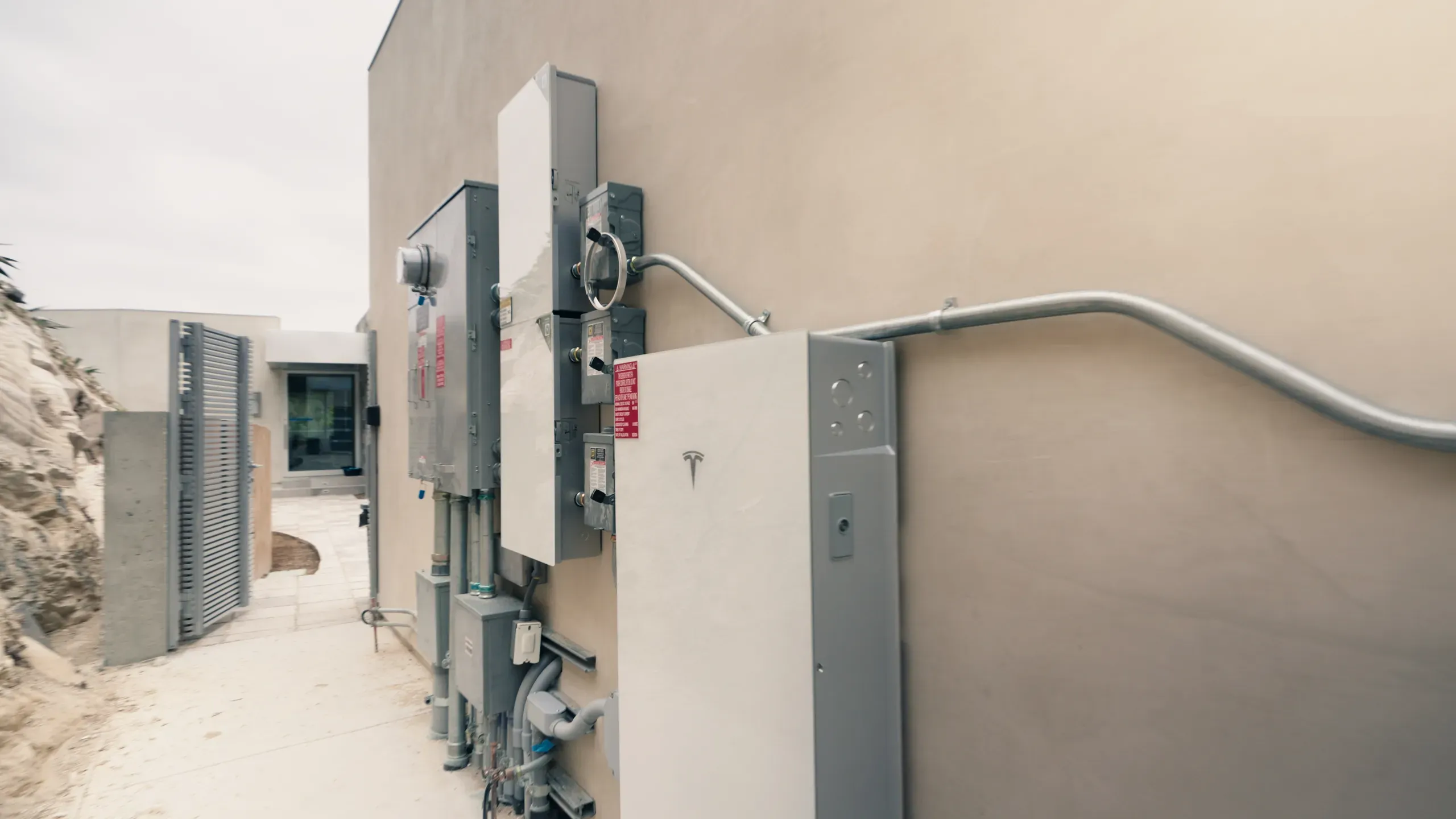
Two Tesla Powerwall 3 batteries and the supporting electrical equipment, installed alongside an 18.92 kW system.
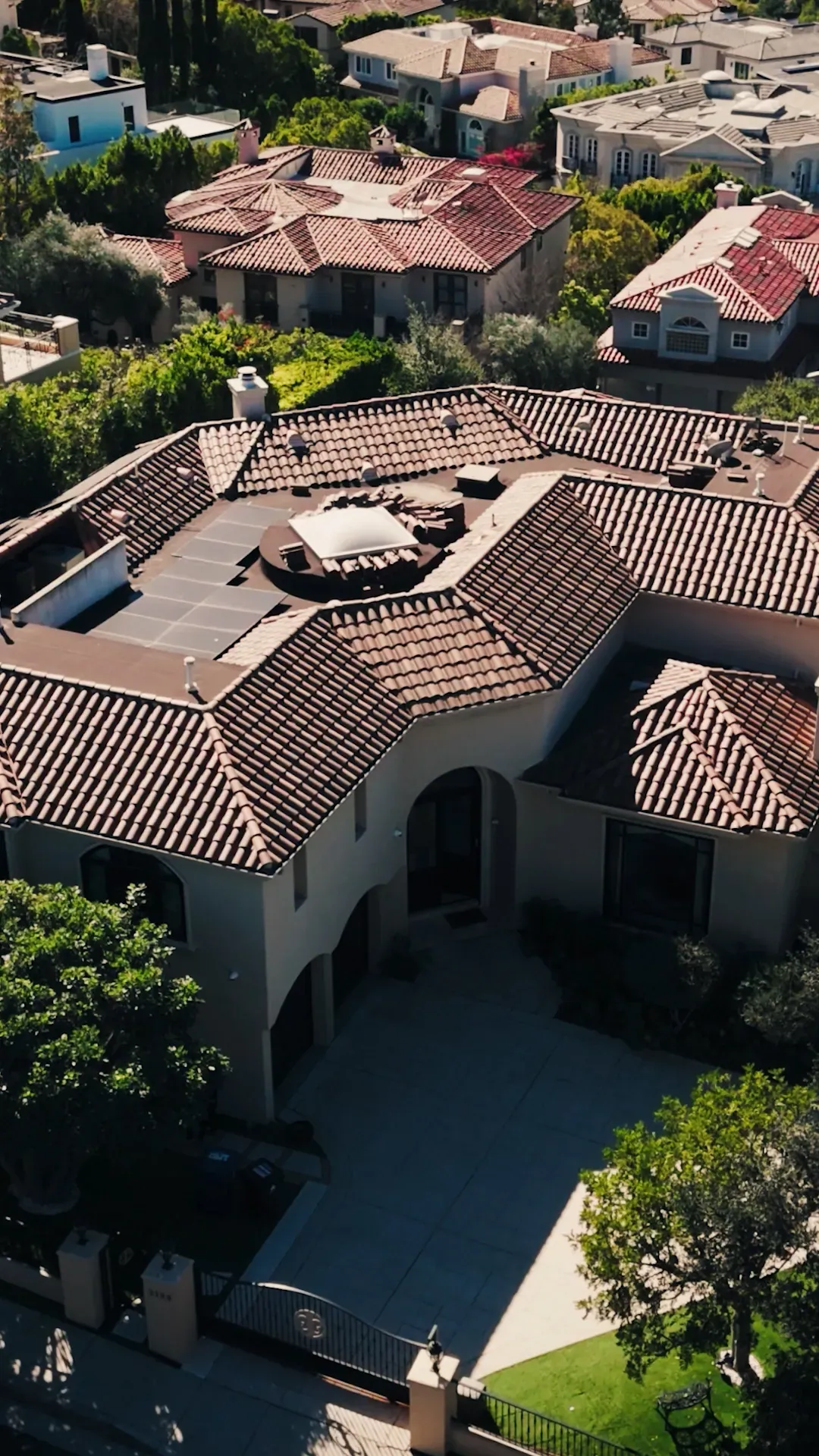 Bel Air Project
Bel Air 18.92 kW Solar + 27 kWh Powerwall Backup
Soloro installed two Tesla Powerwall 3 batteries and the supporting electrical equipment, giving the home 27 kWh of stored energy to draw on in the evening and during outages.
- 18.92 kW System size
- 27 kWh Battery storage
- $250K+ Est. 25-year savings
Battery Compatibility
Will Battery Storage Work for Your Home?
-
You Already Have Solar
We check your inverter, electrical setup, backup controls, and available space before recommending an AC-coupled, DC-coupled, or brand-specific battery.
Check System Compatibility -
You Don't Have Solar Yet
A battery can charge from the grid and provide backup power. Add solar if you want the battery to recharge during an extended outage.
Plan Solar and Storage -
You Need to Run Large Loads
Air conditioning, pumps, dryers, ranges, and water heaters need enough continuous and surge power. We evaluate each load during system design.
Review Large-Load Backup
More homeowners. More confidence.
Ready to Plan Your Home Battery System?
Home Battery FAQ
Home Battery Questions, Answered
Learn how battery size, backup time, solar compatibility, and large appliances affect the right storage system for your Los Angeles home.
What does a home battery storage system do?
A home battery stores electricity from your solar panels or the utility grid so you can use it later. Depending on how the system is designed, it can power your home during an outage, after sunset, or when grid electricity costs more.
Is a home battery worth it on LADWP or SCE?
On SCE, a battery usually adds more value than on LADWP. SCE's Solar Billing Plan pays small hourly credits for exported solar, so storing midday solar for the 4 to 9 p.m. peak saves more. LADWP still offers net metering, so there a battery is mainly about backup power during outages. There is no federal tax credit for home batteries installed after 2025.
LADWP vs SCE: how solar works with your utility →Can I install a home battery without solar panels?
Yes. Many home batteries can charge from the grid, provide backup power, and shift your energy use away from higher-rate hours. You need solar if you want to recharge the battery during an extended outage.
What is the difference between whole-home and essential-load backup?
Whole-home backup connects most or all of your household circuits to the battery system. Essential-load backup covers selected circuits, such as your refrigerator, lights, internet, and important outlets. Even with whole-home backup, you may not be able to run every appliance at once or keep them running indefinitely.
How much battery capacity does my home need?
Enough to run the circuits you choose for as long as you want backup to last, which also depends on whether solar can recharge the batteries. We look at your electricity use, essential circuits, large appliances, and outage priorities before recommending a system size.
How long will a home battery power my house?
It depends on what you run: a refrigerator, lights, and internet can run much longer than air conditioning, electric cooking, or EV charging. Runtime comes down to the battery's usable capacity and how much electricity your home is using. Your system plan should show a realistic runtime for the circuits and appliances you choose.
Can a home battery run my air conditioner or other large appliances?
It can, if the battery system handles the appliance's normal power use and the brief surge that happens when a motor starts. Air conditioners, pumps, dryers, ranges, and water heaters need to be evaluated individually during system design.
Will my solar panels recharge the battery during an outage?
Yes, if your solar panels, battery, inverter, and backup controls are designed to work together while your home is disconnected from the grid. A standard grid-tied solar system without compatible backup equipment normally shuts down during an outage.
Can I add a battery to my existing solar system?
Usually. Compatibility depends on your solar inverter, electrical setup, backup controls, available space, and battery design. We inspect your existing equipment before recommending an AC-coupled, DC-coupled, or manufacturer-specific system.
Can I add more battery capacity later?
Often, yes. Many home battery systems can expand, but the options depend on the battery model, inverter and gateway capacity, available wall space, and whether different battery generations can work together. We account for likely future needs during the first design so you know what expansion will require.
What should I compare in a home battery warranty?
Compare the warranty term, cycle or energy-throughput limits, and the guaranteed remaining capacity at the end of coverage. Check who pays for diagnosis, shipping, removal, reinstallation, and permits if the battery fails. The longest warranty is not always the most complete one.

Plan Your Home Energy System as One System
Your battery has to work with the rest of your home. We account for your solar panels, inverter, backup generator, and EV charging so power moves where you need it.
-
Solar Panels
Generate electricity during the day and send extra solar energy to your battery for later.
-
Inverters
Convert electricity and control how it moves among your panels, battery, home, and the grid.
-
Generators
Add another source of backup power when an outage lasts longer than your stored energy.
-
EV Chargers
Charge your car from your solar panels, battery, or the utility grid.
Talk With Our Team
Have Questions About Home Battery Storage?
Tell us what you're considering. We'll answer your questions and help you plan a system that fits your home and backup goals.
Get in Touch
Tell us whether you already have solar, what you want to keep running during an outage, and whether you're considering essential-load or whole-home backup. We'll help you compare the battery systems that fit your home.
- (818) 208-4474
- info@soloroenergy.com
- 15335 Morrison St. Suite 130, Sherman Oaks, CA 91403