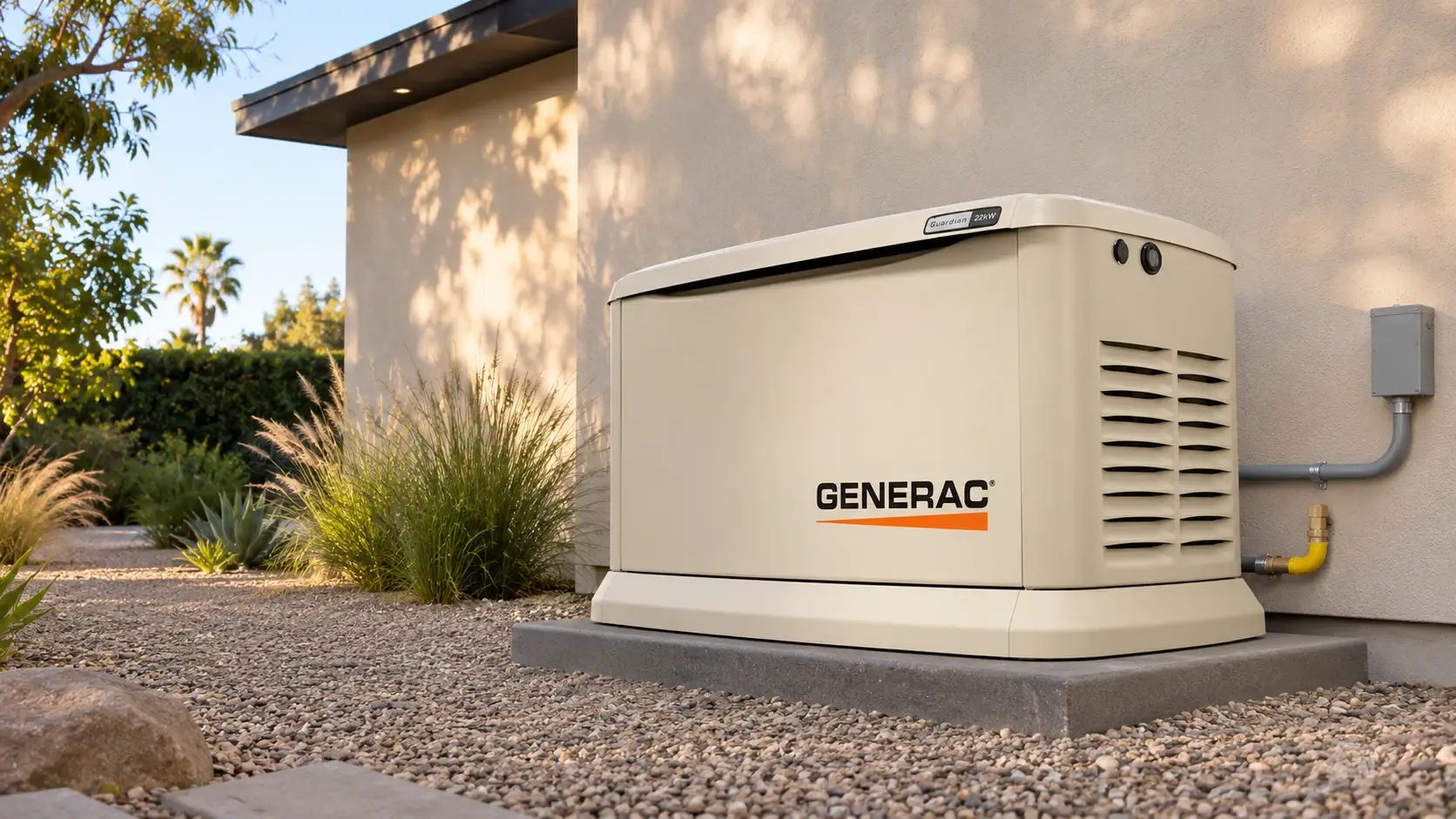
Residential Standby Generators
A home standby generator can keep the lights, refrigeration, internet, air conditioning, and other important loads running when the grid goes down. We size and install Generac systems around your home, electrical service, fuel supply, and backup priorities.
-
Sized for Your Home
-
Automatic Backup
-
Safe, Code-Aware Planning
-
One Team From Start to Finish
Residential Generators
Generac Home Standby Generators Sized Around Your Priorities
Generator size starts with what you want to power during an outage. We review essential circuits, larger loads such as air conditioning, available fuel, and your electrical service before recommending a system.
-

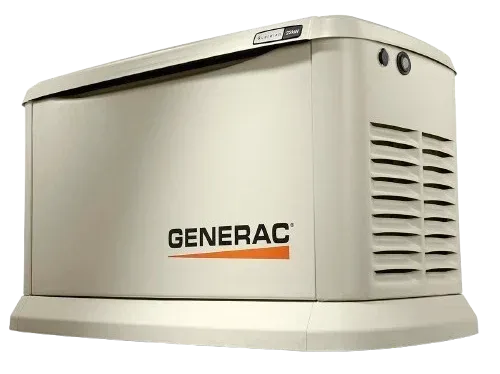
Generac Guardian Home Standby Generators
Generac Guardian systems provide automatic backup power for the home. We size the generator, transfer switch, fuel supply, and load plan around what you want to keep running during an outage.
-
Air-cooled residential sizes include 10, 14, 18, 22, 24, and 26 kW
-
Designed to operate on natural gas or liquid propane
-
Automatic operation with a compatible transfer switch
-
Connected monitoring for generator status and maintenance alerts
-
Why We Partner With Generac
Generac has a practical residential lineup for different homes and backup priorities. Its generators work with automatic transfer equipment, natural gas or propane, connected monitoring, and load management. That gives us one dependable platform to design around each home.
- Residential Range Sizes for focused essential-load backup and broader whole-home plans
- Automatic Operation Generator and transfer equipment designed to respond when utility power fails
- Monitoring and Service Connected status and maintenance information help keep the system ready
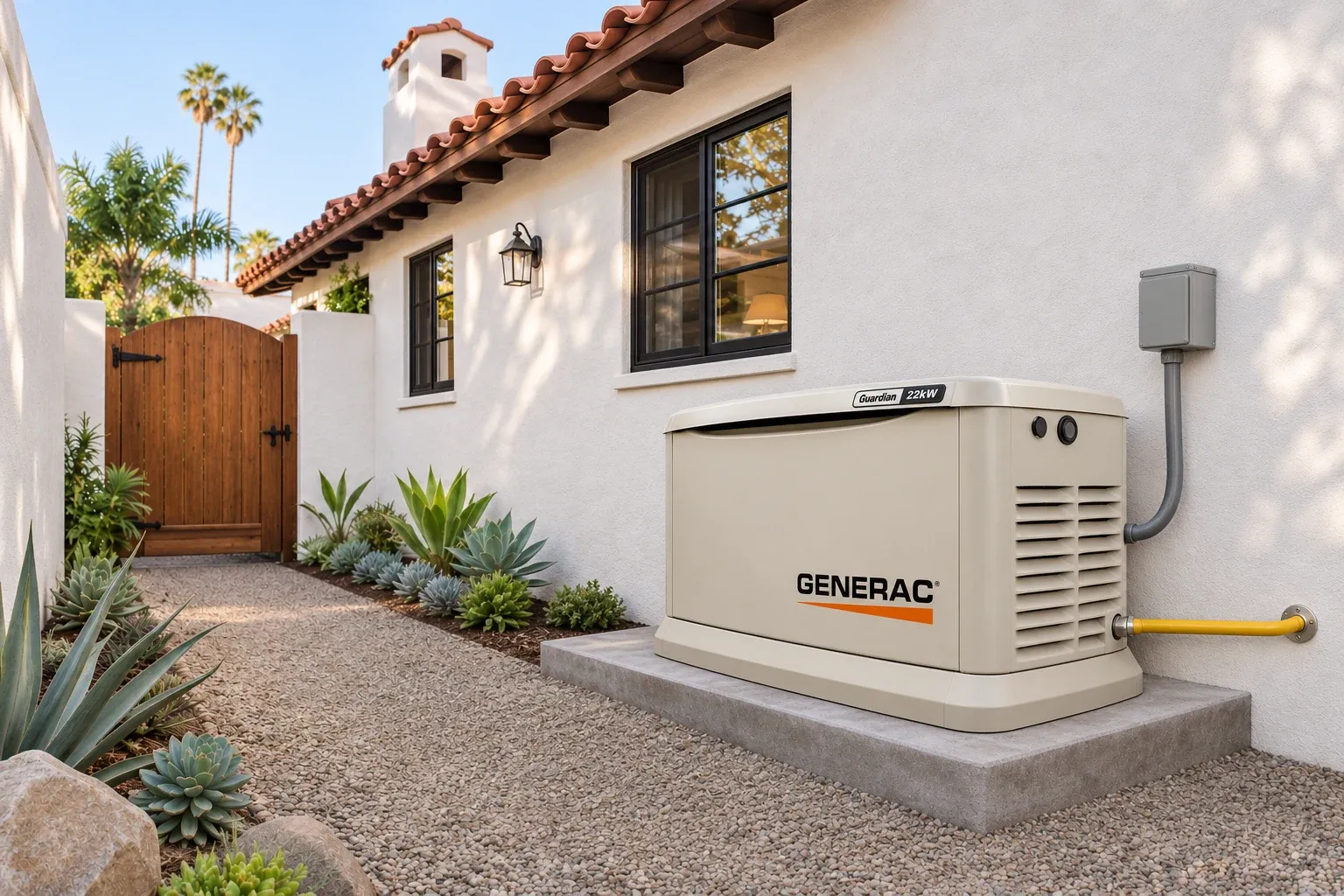
A Generator Installation Planned for Your Property
- Required Clearances
- Fuel Supply
- Electrical Service
- Noise Considerations
- Drainage and Airflow
- Service Access
From Home Assessment to Tested Backup Power
-
Home and Load Review
We identify the circuits, appliances, and comfort systems you want available during an outage.
-
Site and Fuel Planning
We review generator placement, required clearances, service access, and the available natural gas or propane supply.
-
Generator Selection
We match generator capacity and transfer-switch strategy to the load plan and your priorities.
-
Permits and Coordination
We prepare the project details and coordinate the required local permitting and utility-related work.
-
Professional Installation
The generator, transfer equipment, fuel connection, and electrical work are installed as one coordinated system.
-
Testing and Handoff
We test automatic operation and walk you through controls, monitoring, exercise settings, and maintenance needs.
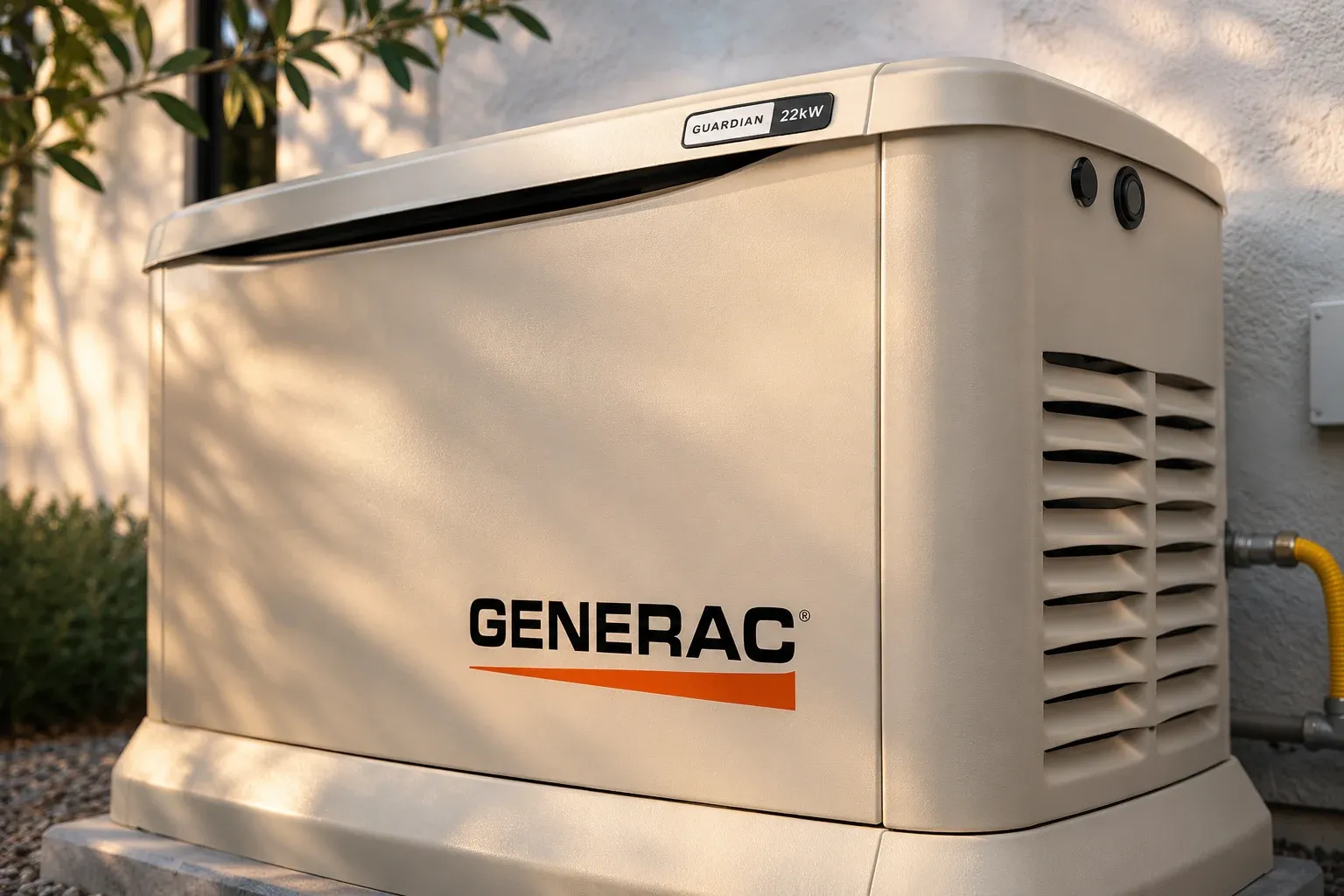
What Makes a Standby Generator System Work
The generator is one part of the installation. The transfer switch, fuel supply, electrical connections, load strategy, and ongoing service all need to work together when utility power fails.
-
Standby Generator
The outdoor unit produces backup power from natural gas or propane.
-
Automatic Transfer Switch
The switch moves selected loads from utility power to generator power and returns them when service is restored.
-
Load Management
Priority controls can help larger appliances share the available generator capacity.
-
Monitoring and Maintenance
Status monitoring and routine service help keep the system ready for an outage.
Backup Power Planning
A Backup Plan Built Around the Home
Every generator plan starts with what your home needs to keep running during an outage.
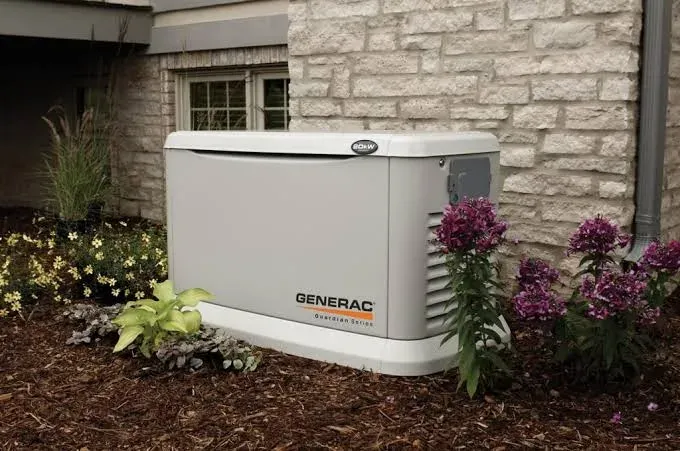 Generator Planning
Residential Generator Planning
“A useful generator recommendation begins with the home itself. We review what needs to stay on, how much power those loads require, and where the equipment can be installed safely.”
- Home Load Review
- Site Fuel and Placement Plan
- Custom Backup Power Plan
Generator Costs
What Shapes the Cost of a Residential Generator Installation
-
Start With the Loads
The circuits and appliances you want to protect determine the capacity and transfer-switch plan.
Request a Consultation -
Account for the Site
Generator placement, concrete or mounting work, fuel routing, clearances, and access all affect installation scope.
Review my property -
Review the Full Installation
The generator, transfer switch, electrical work, fuel connection, permits, and startup should be shown clearly in the proposal.
Request a Consultation
More homeowners. More confidence.
Be Ready Before the Next Power Outage
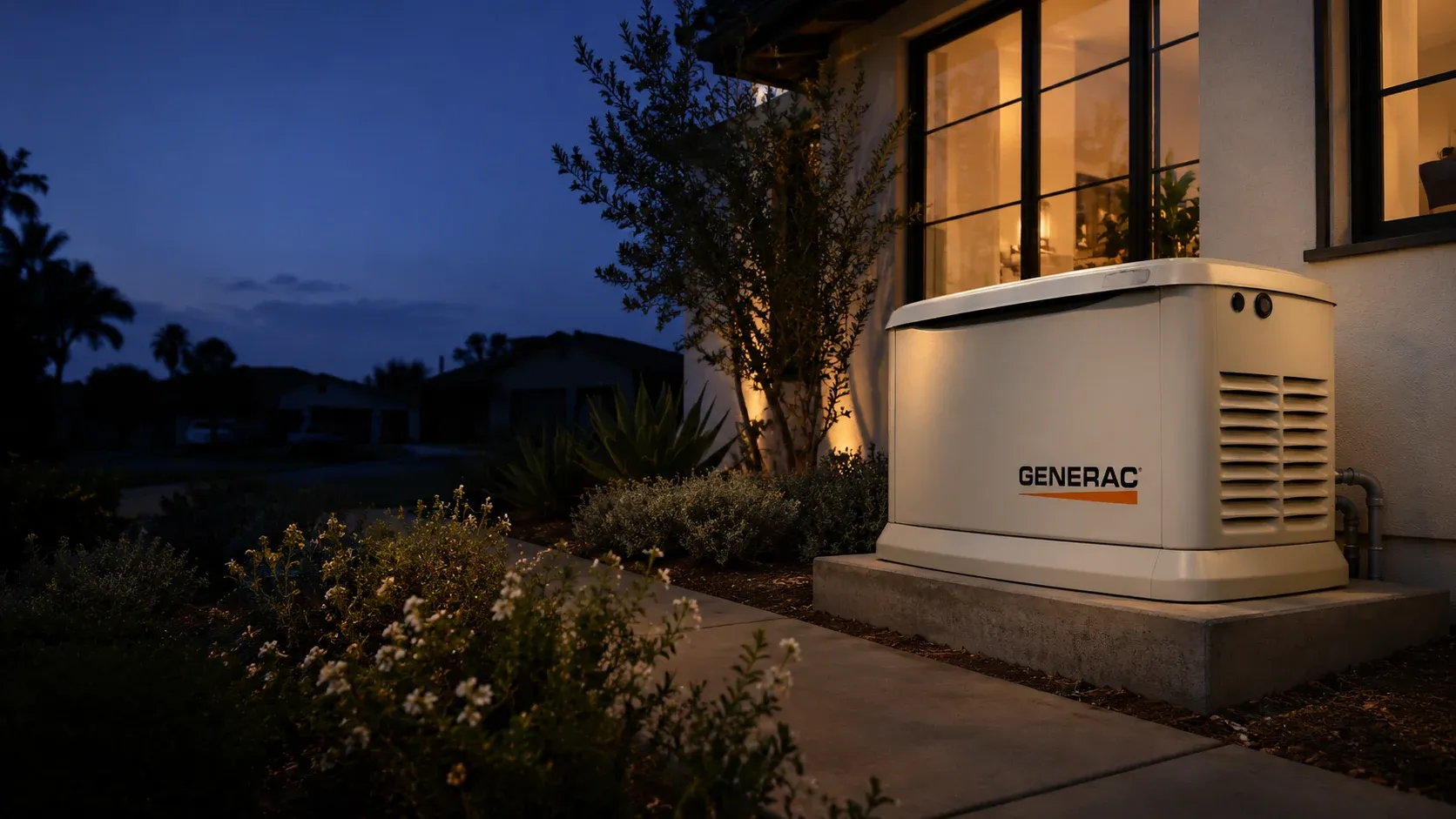
Generator FAQ
Straight Answers About Residential Standby Generators
The right generator depends on the loads you want to protect, your fuel supply, and the way your home is wired. These answers cover the questions homeowners usually ask before choosing a system.
What size generator does my home need?
One big enough for the circuits and appliances you want to run during an outage, including the extra power some motors need when they start. The result may be an essential-load system, a managed whole-home plan, or a larger generator.
Can a standby generator power my whole house?
It can, if the generator, transfer equipment, fuel supply, and load plan are sized for the home. In some projects, load management lets large appliances run in a controlled order so the generator does not have to start every load at once.
Does a home standby generator turn on automatically?
Yes. An automatic transfer switch detects a utility outage, starts the generator, and transfers the connected loads to backup power. When utility service returns, the switch transfers the home back and the generator shuts down after its normal cool-down cycle.
Do residential generators use natural gas or propane?
Either. Generac residential standby generators are available for natural gas or liquid propane. The available fuel and the capacity of the existing supply both matter, so the fuel plan must be checked before the final generator size is selected.
Can a standby generator run my air conditioner?
Often, yes, but air-conditioning equipment can have a high starting demand. We review the unit, starting requirements, and other connected loads to determine whether direct backup, soft-start equipment, or load management makes sense.
Where can a generator be installed?
Outdoors, at a spot that meets the manufacturer's clearances and local requirements. Placement also depends on windows and openings, fuel routing, airflow, drainage, noise, and access for maintenance. We review the property before choosing the final location.
How often does a standby generator need maintenance?
On the manufacturer's schedule, which depends on run time and operating conditions. Oil, filters, the starting battery, exercise operation, and fault history all need periodic attention so the system is ready when an outage occurs.
Should I choose a generator or a home battery?
A generator is often chosen for longer outages and larger loads when fuel is available. A battery is quiet and responds quickly but has a fixed amount of stored energy. Some homes use one system, while others combine technologies around specific backup goals.
Contact Us
Ready to plan reliable backup power for your home?
Tell us what you want to keep running during an outage. We'll review your home, explain the generator options, and outline the installation clearly.
Talk With Soloro About a Home Generator
Share your backup priorities, electrical setup, and available fuel. Our team can help you understand the next step toward a properly sized residential standby generator.
- (818) 208-4474
- info@soloroenergy.com
- 15335 Morrison St. Suite 130, Sherman Oaks, CA 91403